Over the past year, Girawa began a new research project based on the concept of Youth Participatory Action Research (YPAR) or child-led research, turning the Girawa youth clubs into hubs of learning, research, and advocacy.
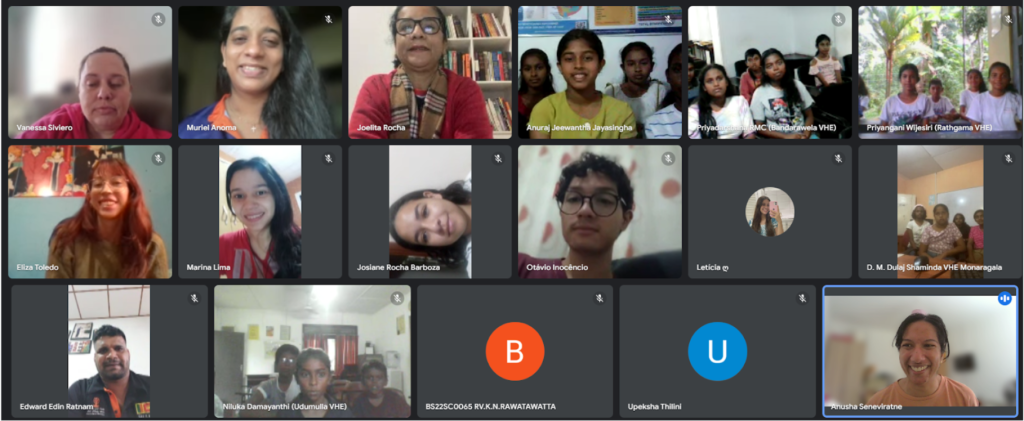
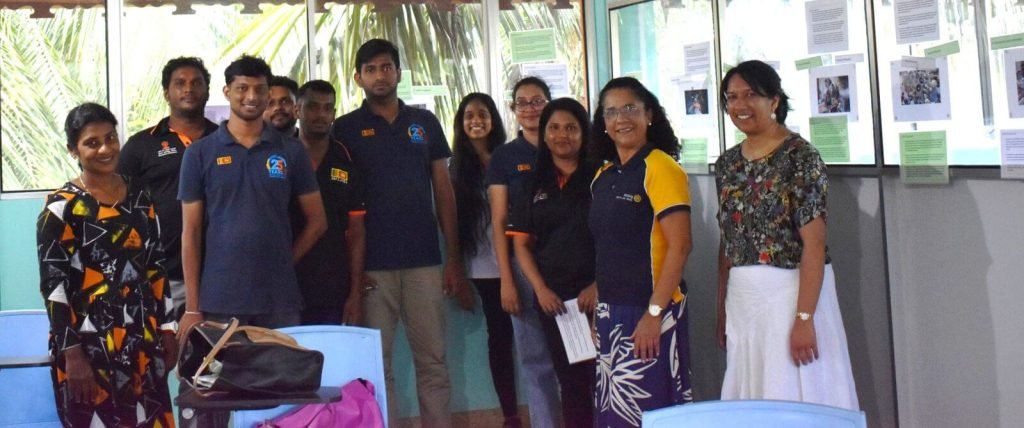
The project began with interactive training workshops held in the Foundation of Goodness’ Village Heartbeat Empowerment (VHE) Centres in Vavuniya, Hatton, and Seenigama in Sri Lanka from April 2025 by Dr Anusha Seneviratne and Joelita Rocha. These sessions first reviewed the meaning of Planetary Health using a “Gallery Walk” activity where teachers had to match images to descriptions of planetary health issues such as air pollution, flooding and plastic waste. Teachers and VHE Centre co-ordinators were presented with Girawa Youth Club t-shirts for students to wear when participating in the youth club activities to give them a sense of belonging.
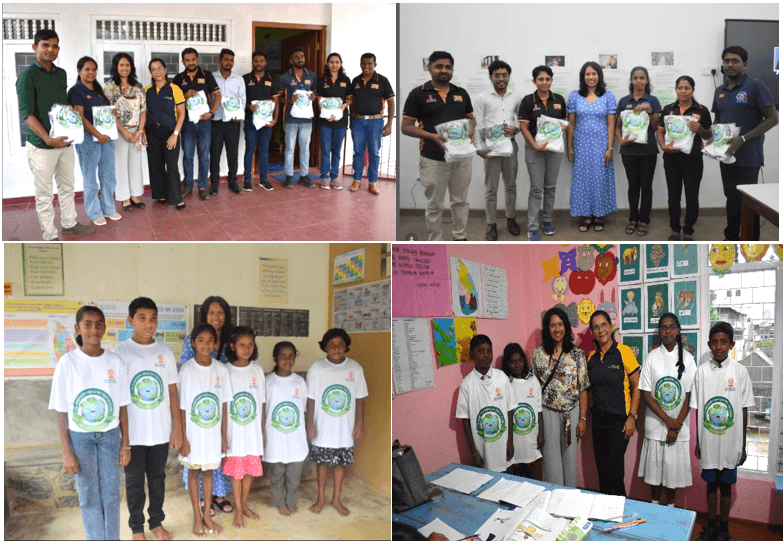
Teachers were then introduced to the principles of YPAR, and ethical research practices before being introduced to the research project involving intergenerational interviews. The intention was that students would interview older community members—parents, grandparents, and local leaders—about the environmental changes they had witnessed over their lifetime. The conversations would be structured to uncover personal stories tied to broader ecological shifts. For example, students could ask elders about the changes they had observed in local water sources, agricultural practices, or wildlife populations over the years. The interviews would then be recorded, transcribed, and analyzed, empowering students to carry out their own research and report on it. Teachers received training in how to conduct good interviews, support students with generating questions, train the students to conduct their interviews and supporting the students to report on their findings.
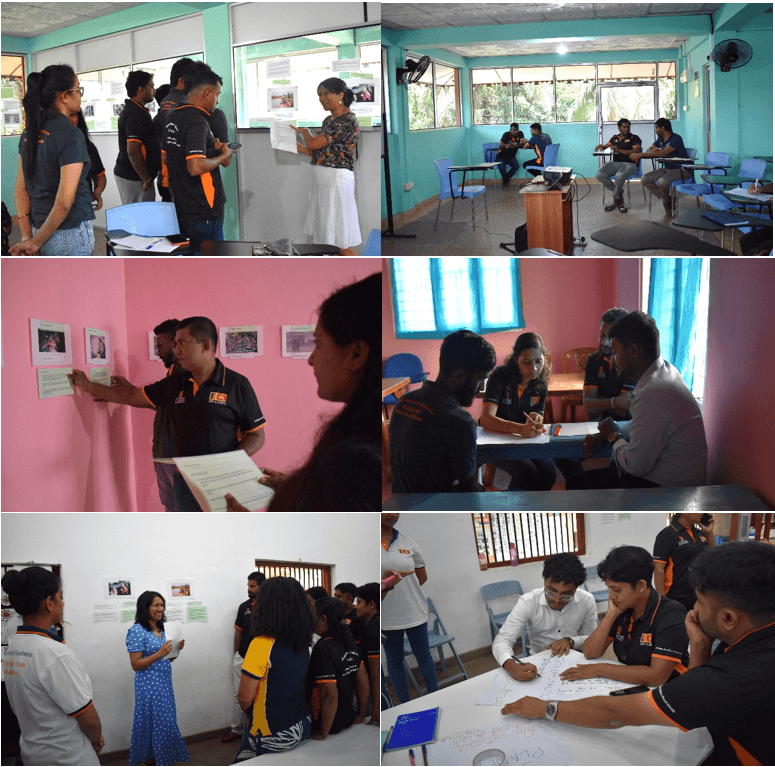
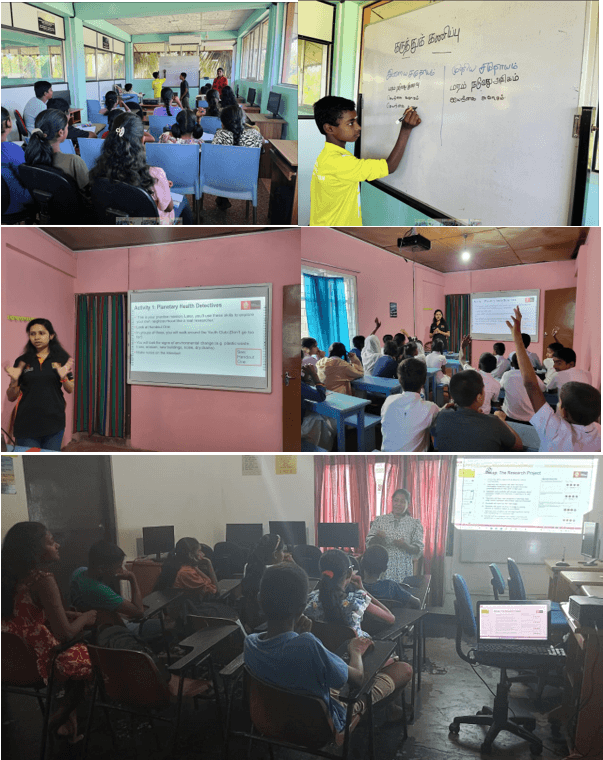
Two months later, a series of follow-up workshops were conducted by Dr David Channon with both students and teachers. Through hands-on activities like The Magic Box—a creative exercise that uncovered hidden links between human actions and environmental health—and Planetary Health Detective, where students dissected local environmental issues, participants developed critical thinking and research skills. They emerged not just as learners, but as Young Researchers and Reporters, equipped to ask meaningful questions, collect data, and share their findings with the world. The feedback from teachers who attended both sets of workshops was extremely positive
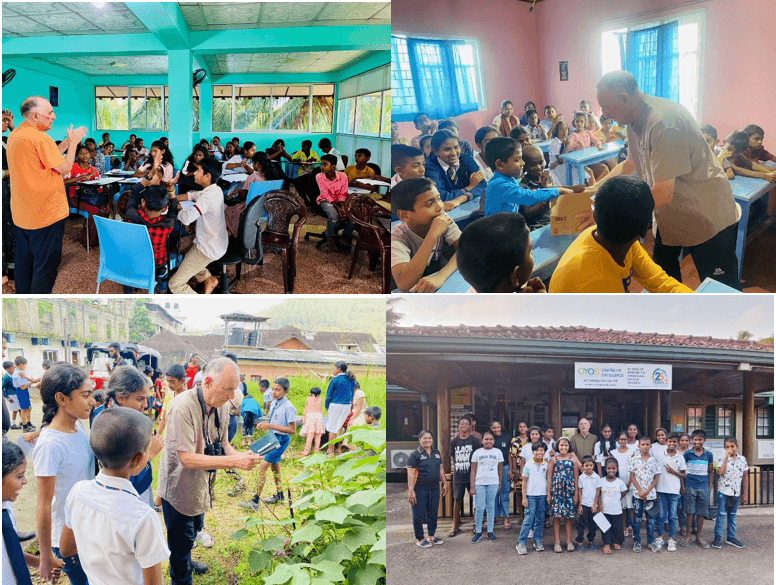
The students first completed surveys to allow the research team to benchmark their knowledge of planetary health and their preferred methods of learning. The students then carried out their interviews in groups, which helped to form connections between generations. Elders shared not only facts but also their lived experiences, such as how deforestation had altered their childhood landscapes or how industrialization had changed farming traditions. These stories became powerful tools for students, who used them to create compelling narratives in the form of videos, articles, and social media posts. The interviews also revealed patterns and trends that students could compare with official data, enriching their understanding of environmental challenges in their communities. The intergenerational approach also strengthened community bonds, as elders took pride in sharing their knowledge and students gained a deeper appreciation for their heritage.
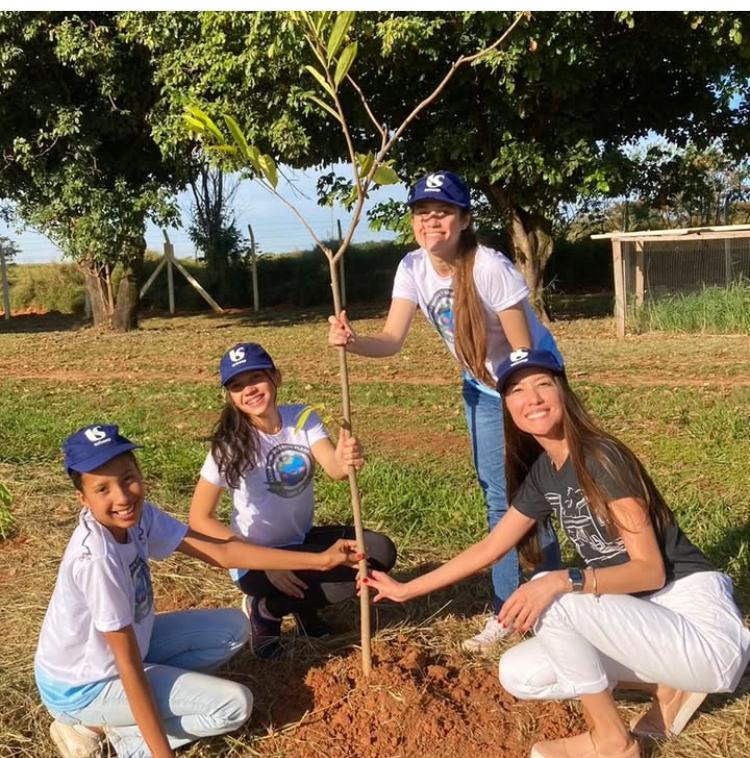
Joelita took her learnings during her visit to Sri Lanka and began coordinating a parallel study in Brazil, following the same format as in Sri Lanka with teacher training workshops and intergenerational interviews.
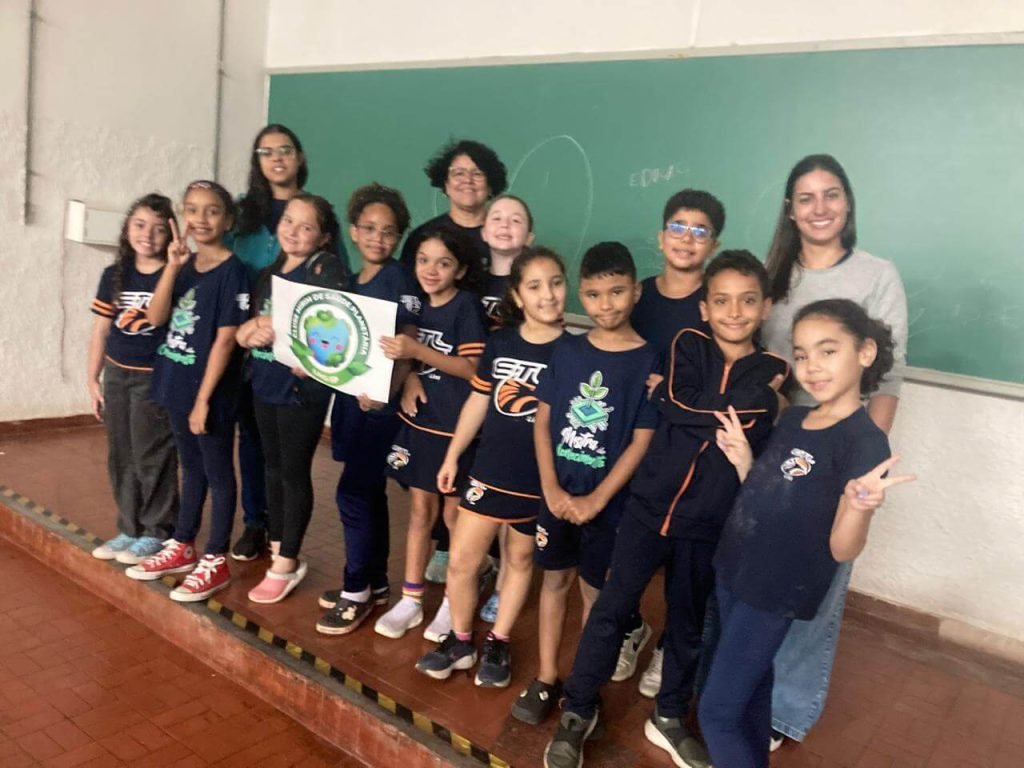
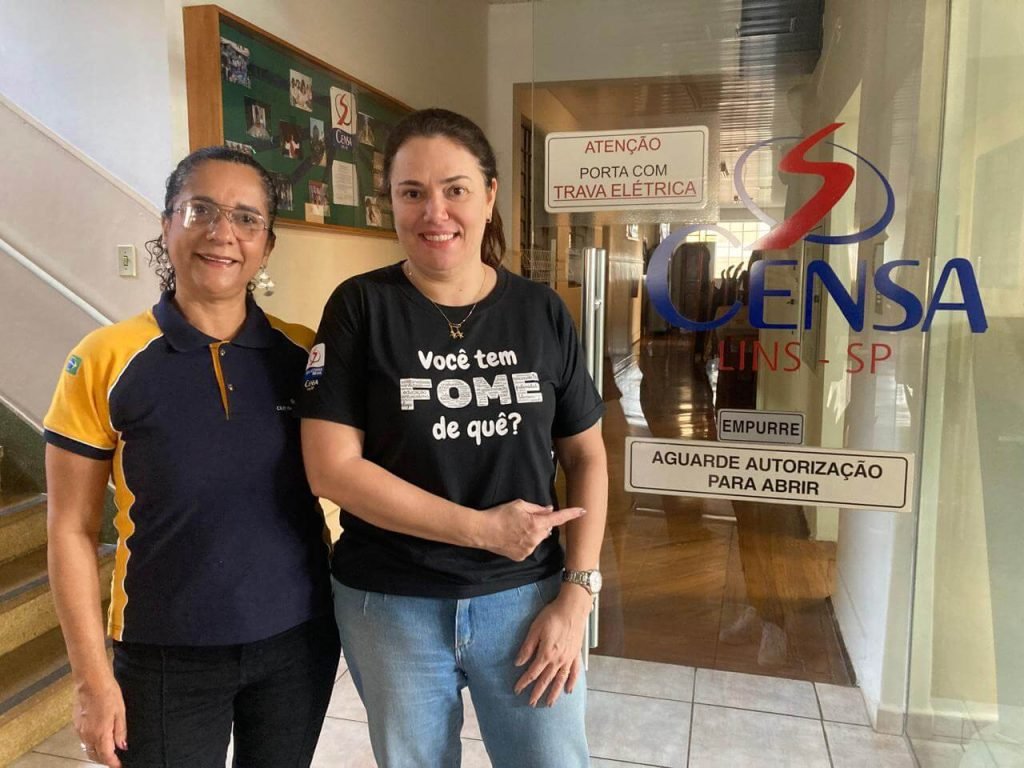
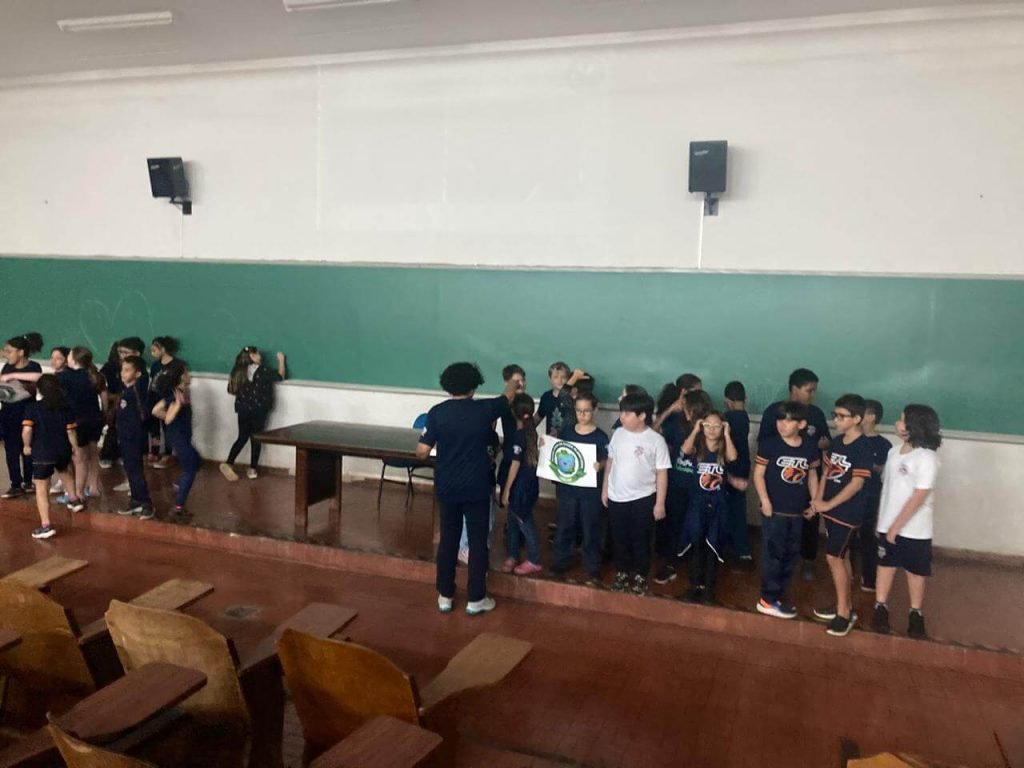
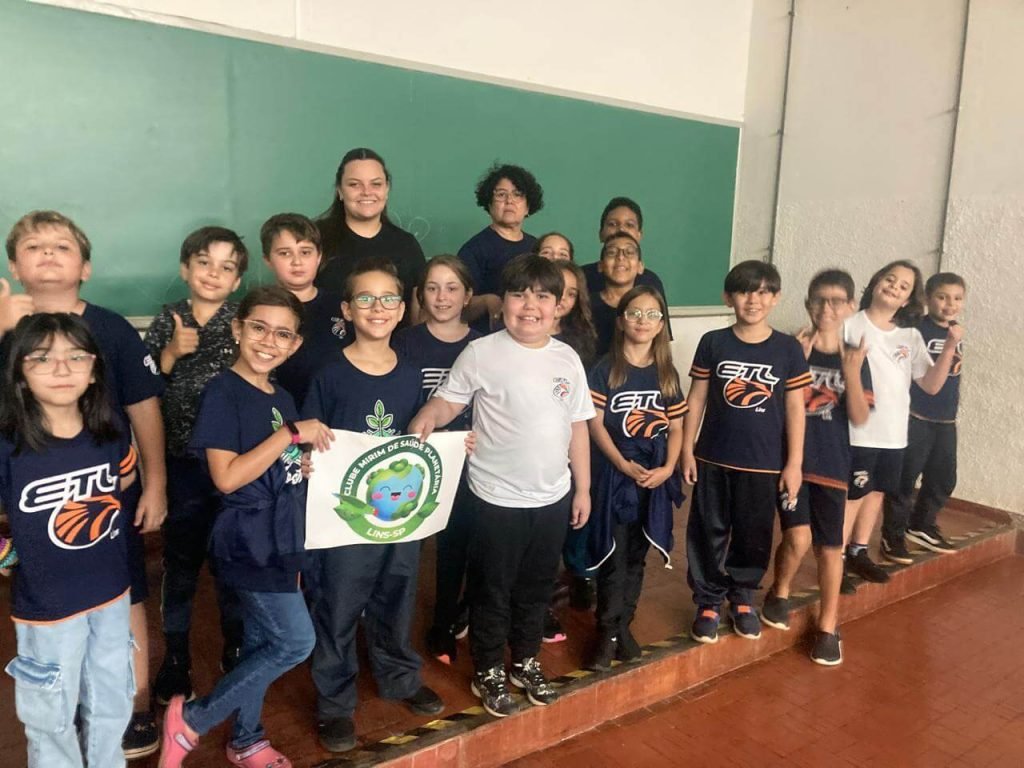
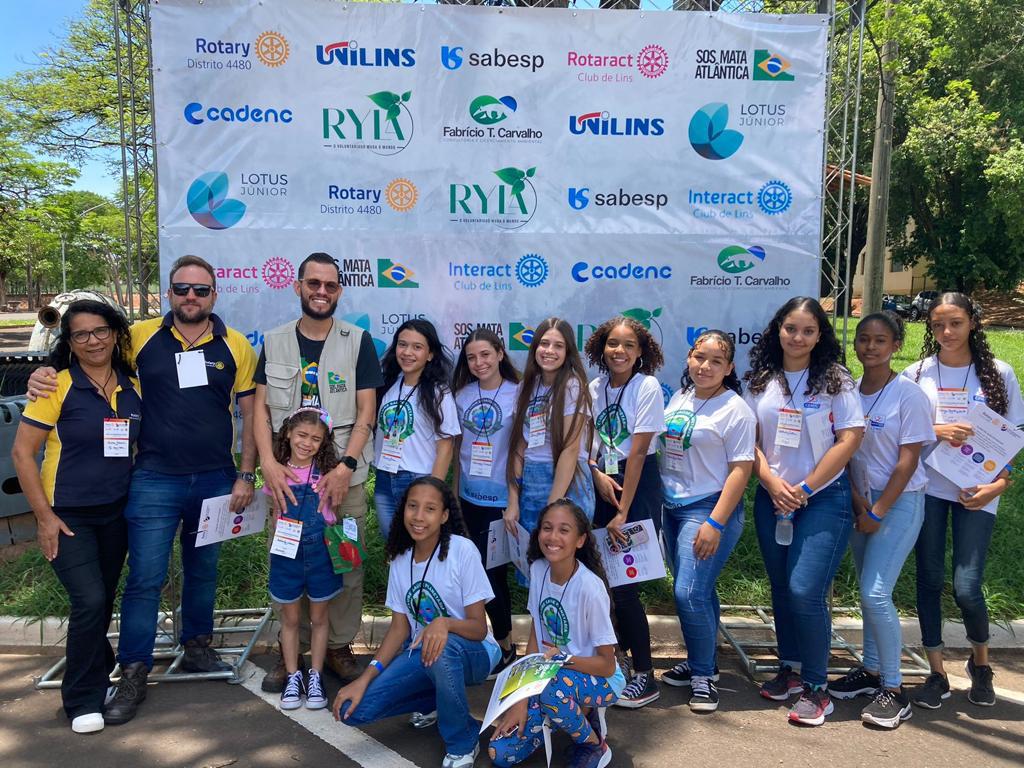
The Girawa Youth Club Research proposal was presented to seven private schools, one public school and two NGOs in Brazil (from November to December 2025). The schools’ names are:
Mirim, CEMIC, ETL, IAL, Objetivo, Censa, DHM
Two private schools were able to participate in the first semester of 2026: ETL (1 teachers, 52 students) and Censa (2 teachers, 32 students), with student interviews due to be completed in August.
Conceptual Framework – Educommunication
The activities of Youth Club Girawa Project in Brazil are grounded in the conceptual framework of Socio-environmental Educommunication. The definition of “educommunication” is recognized by the Brazilian Academy of Letters. This definition is based on the research conducted by scholars at the Center for Communication and Education (NCE) of the School of Communications and Arts at the University of São Paulo (ECA/USP), one of the leading institutions in the field in Latin America. This conceptualization reflects years of theoretical development and practical application, and it continues to inspire interdisciplinary practices that merge communication, education, and social transformation. (SOARES, MARQUES PEREIRA e PRÓSPERO, 2024)
Educommunication is “The set of knowledge and practices aimed at developing open, democratic, and creative communicative ecosystems within cultural, media, and educational spaces, whether formal (schools), non-formal (led by NGOs), or informal (educational media platforms), mediated by the languages and tools of communication, the arts, and information technologies, ensuring conditions for meaningful learning and the practical exercise of freedom of expression.” Socio-environmental educommunication is understood as a transformative educational practice grounded in communication rights, environmental justice, and community participation. As described by Brianezi (2024), it aims to build open, dialogical, and horizontal communicative ecosystems that foster social and environmental awareness in both school and community settings.
Rather than focusing solely on the use of technology, this approach prioritizes inclusion, creativity, critical media literacy, affective engagement, and collective protagonism. It is deeply inspired by Paulo Freire’s pedagogy of dialogue and supported by principles that value transparency, accessibility, and participatory democracy. In this context, educommunication becomes a strategy for re-signifying environmental education, encouraging youth-led audiovisual productions, and promoting deeper relationships with nature through collaborative, empathetic, and transformative actions.
However, the Planetary Health activities of Youth Club Girawa Project in Brazil are grounded in the conceptual framework of socio-environmental educommunication. The reflections based on the literature review and the experience of the Youth Club Girawa project in Brazil indicate that socio-environmental educommunication is a suitable tool for addressing the challenge of promoting Planetary Health practices within education, communication, and social mobilization initiatives.
Qualitative analysis led to the conclusion that, in order to apply socio-environmental educommunication to the promotion of Planetary Health activities for youth, it is first necessary to build the capacity of the groups involved by teaching the specific methodology associated with the socio-environmental educommunication concept within Planetary Health programs and projects.
Students have reported on their findings by contributing to an online magazine which will be published on our website very soon, featuring student-authored content in Sinhala, Tamil, and Portuguese, with the content to be promoted on social media. Following publication of the magazine, students will complete a follow-up survey enabling the research team to ascertain whether their understanding of planetary health has improved, whether they enjoyed participating in the activities and gaining any feedback on how the activities could be improved to inform future guidelines on teaching planetary health to children, which has been published in its initial form as part of the Planetary Health Alliance’s Curriculum Guidelines.
We would like to sincerely thank Royal Holloway University of London to supporting this project through a grant from their Social Purpose Research and Knowledge Exchange funding scheme, supported by UKRI Research England, and we look forward to sharing the final results of the study.
References:
- Academia Brasileira de Letras. Nova Palavra: Educomunicação. Available at: https://www.academia.org.br/nossa-lingua/nova-palavra/educomunicacao. Accessed on: September 14, 2024;
- SARAIVA, Antônio. O que é Saúde Planetária?. São Paulo: Instituto de Estudos Avançados da USP, 2019. Disponível em: http://saudeplanetaria.iea.usp.br/pt/o-que-e-saude-planetaria/. Acesso em: 15 out. 2022.
- SOARES, Ismar de Oliveira; MARQUES PEREIRA, Michele; PRÓSPERO, Daniele. Educomunicação: caminhos de transformação nas práticas e políticas sociais. SER Social, Brasília, v. 27, n. 56, 2024. DOI: 10.26512/ser_social.v27i56.55517. Available at: https://periodicos.unb.br/index.php/SER_Social/article/view/55517. Accessed: April 18, 2025.
- BRIANEZI, Thaís. Educomunicação e protagonismo social: ressignificando os processos de sensibilização ambiental em diferentes espaços. In: COLIN, Elaine Cristina da Silva (Org.). Água, Câmera e Ação – O futuro da água é agora! Uma experiência de educomunicação socioambiental em Santo André. Santo André: Semasa, 2024.